Expert Rectifier Repair and Maintenance Tips to Keep Power Flowing
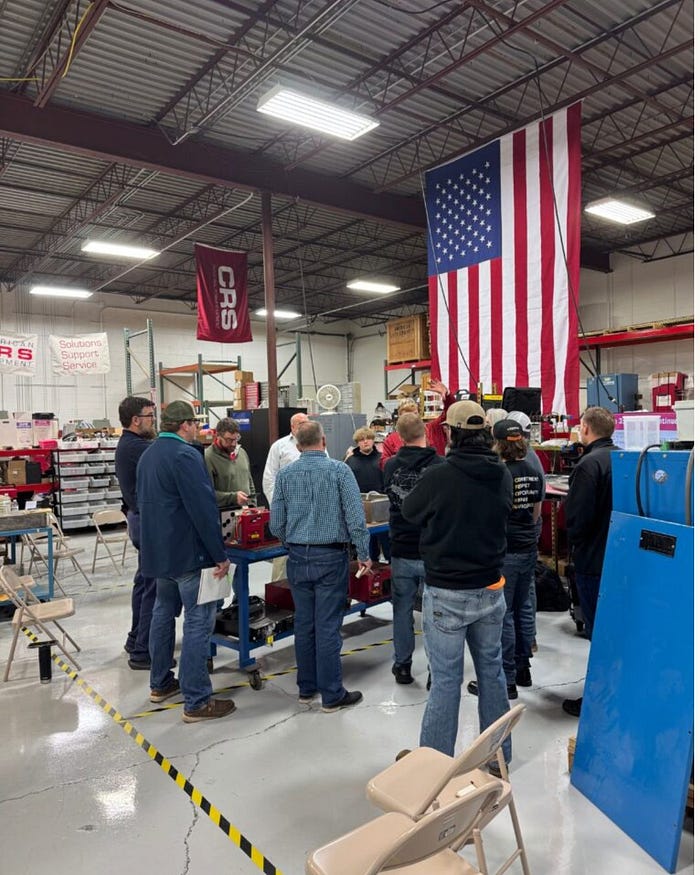
In the surface finishing industry, your power supply is the heartbeat of the entire operation. Whether you run a massive electroplating line or a specialized anodizing setup, sudden downtime can stop production dead in its tracks. Deadlines loom, parts pile up, and you’re left wondering if a simple fix could have prevented the headache.
At American CRS Equipment, we’ve spent over 25 years helping clients navigate the complex world of industrial power supplies. We’ve seen it all, from simple dust buildups causing overheating to complex board failures. The good news? A proactive approach to maintenance extends the life of your equipment and keeps your shop running smoothly.
Here are the essentials for keeping your rectifiers in top shape, troubleshooting common issues, and knowing when it’s time to call the pros.
Why Regular Maintenance Matters
Think of your industrial power supply like a high-performance vehicle. You wouldn’t drive a car for 100,000 miles without changing the oil, right? Your plating rectifier requires similar attention. These machines work hard, often in harsh environments filled with humidity, chemical fumes, and heat.
Regular maintenance isn’t just about preventing breakdowns; it’s about efficiency. A well-maintained electroplating power supply delivers consistent voltage and current, ensuring that your metal finish is uniform every time. Neglect leads to voltage fluctuations and, ultimately, rejected parts. By sticking to a routine, you protect your investment and your product quality.
The Daily Visual Check
You don’t need to be an electrical engineer to perform a basic health check on your equipment. In fact, your operators are your first line of defense. Encouraging a culture of awareness can catch small problems before they turn into expensive repairs.
Start with a daily walk-around. Look for warning lights or error codes on the control panel. Listen to the unit — is the cooling fan louder than usual? Is there a strange humming noise? Trust your senses. If something smells like burning plastic or ozone, shut it down immediately.
Also, check the ventilation. A switch mode power supply relies heavily on airflow to stay cool. If boxes or rags block the vents, the internal temperature will spike, shortening the lifespan of critical components.
Cleaning: The First Step in Rectifier Repair and Maintenance
It sounds simple, but cleanliness is arguably the most critical factor in the longevity of a plating rectifier. Surface finishing facilities often have dusty or corrosive atmospheres. Over time, particulate matter gets sucked into the unit by the cooling fans.
Dust acts as an insulator, trapping heat on heat sinks and components that need to breathe. In worse cases, conductive dust can cause short circuits across circuit boards.
We recommend a scheduled deep clean. Ensure the power is completely disconnected and locked out before opening any panels. Using clean, dry compressed air, gently blow out the dust from the heat sinks, fans, and boards. Avoid high pressure that could damage delicate parts.
Checking Connections and Cables
Vibration and thermal cycling (heating up and cooling down) loosen electrical connections over time. A loose connection creates resistance, which generates heat. This heat can melt insulation, arc, and eventually cause a fire or major component failure.
During your scheduled maintenance, inspect the DC output lugs and the AC input connections. Look for signs of discoloration, which usually indicates overheating. Tighten loose bolts to the manufacturer’s torque specifications. Don’t forget to inspect the cables themselves. Cracks, fraying, or chemical damage to the cable insulation are safety hazards that need immediate attention.
Maintenance for Specific Equipment Types
Not all rectifiers are created equal. The maintenance needs of an old-school SCR (Silicon Controlled Rectifier) unit differ vastly from modern technology.
Switch Mode Power Supply Maintenance
Switch mode units are known for their compact size and high efficiency. They use complex electronics to switch power at high frequencies. Because of this, they are more sensitive to heat and environmental contamination. Keeping filters clean and ensuring fans run at full speed is non-negotiable for these units.
Pulse Plating Rectifier Care
If you use a Pulse Plating Rectifier for high-precision jobs, calibration is key. These units switch current on and off rapidly to improve plating distribution. If the timing or waveform degrades, you lose the benefits of the pulse technology. Periodic calibration checks ensure your “on” and “off” times remain precise.
Electrocoat and E-Coat Rectifier Specifics
For Electrocoat and E-Coat Rectifier units, ripple plays a huge role. Excessive ripple causes heating in the paint bath and ruins the finish. Regularly checking the ripple output with an oscilloscope saves you from stripping and re-coating entire batches of parts.
The Role of Spare Parts Management
Imagine a critical fuse blows at 2:00 PM on a Friday. Do you have a replacement on the shelf? Or are you paying for expedited shipping and losing a weekend of production?
Effective Rectifier Repair and Maintenance involves inventory management. We always suggest keeping a “crash kit” of essential Rectifier Spare Parts. This should include:
- Control fuses and power fuses
- Cooling fans
- Control boards (if you have multiple units of the same model)
- Filters
Having these items on hand turns a potential three-day outage into a 30-minute fix.
Troubleshooting Common Issues
Even with the best care, things happen. Here are a few common scenarios:
- No Output: Check your input power first. Is the breaker tripped? If power is present, check the internal fuses.
- Overheating Alarm: Check the fans. Are they spinning? Is the air filter clogged? Is the room temperature too high?
- Fluctuating Amps/Volts: This could be a loose connection in the tank cabling, or an issue with the reference signal coming from your controller.
If you hit a wall, remember that we offer specialized Rectifier Training. We can teach your maintenance team how to troubleshoot your specific equipment safely and effectively.
Partnering for Long-Term Success
Your business depends on reliability. At American CRS Equipment, we believe that buying a power supply is just the beginning of our relationship. Whether you need a replacement unit, urgent tech support, or advice on configuring a new line, we are here to help.
Maintenance isn’t just a chore; it’s a strategy. By keeping your equipment clean, cool, and calibrated, you ensure that your production line stays efficient and profitable.
Ready to optimize your power setup or need a specific part? Reach out to us today. Let’s keep your business powered up and moving forward.

Comments
Post a Comment